Approved Literary/Print Materials for the Classroom
SB 1828 assigns the THGAAC the task of approving resources that can be used in the classroom. The following resources are approved. SB 1828 allows each Texas school district to decide which THGAAC-approved materials are age-appropriate for their students. The THGAAC includes an age recommendation for each approved book.
Readings on the THGAAC Antisemitism page and the THGAAC Texas Connections page are also approved for classroom use during Holocaust Remembrance Week.
Life Writing (Memoirs, Diaries, Biographies) Approved for Classroom Instruction
The following titles are arranged alphabetically by author. Please click on each image to find a brief description and age recommendation.
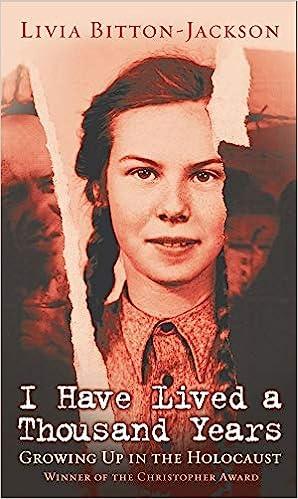
Bitton-Jackson, Livia. I Have Lived a Thousand Years: Growing Up in the Holocaust. Memoir depicting experiences of a girl who survives a ghetto and several camps, starting at age 13
Age recommendation: 8th through 12th grades, due to reading level and descriptions of camp life
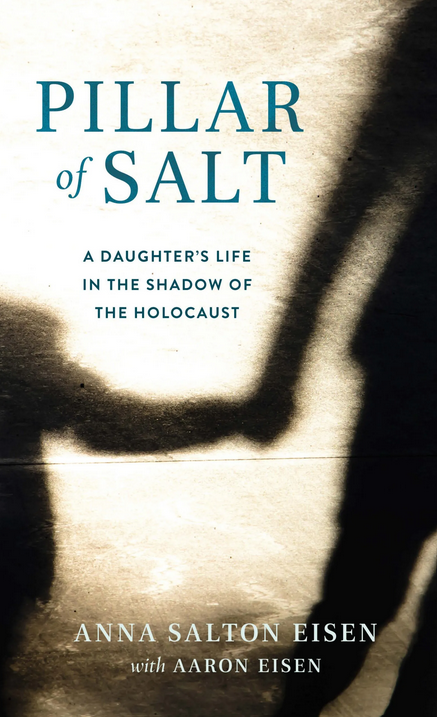
Eisen, Anna Salton with Aaron Eisen. Pillar of Salt: A Daughter’s Life in the Shadow of the Holocaust. Memoir by a “second generation survivor” daughter who describes growing up with two survivor parents (her father survived 10 different camps) and later traveling to Europe with them to excavate their lives before the Holocaust; this is an excellent option for learning about what it feels like to grow up in the United States with parents who survived the Holocaust; author lives in Texas and can be available for speaking engagements (complete our speaker request form to request her); 170 pp + brief glossary
Age recommendation: 7th through 12 grades, due to reading level and some disturbing passages
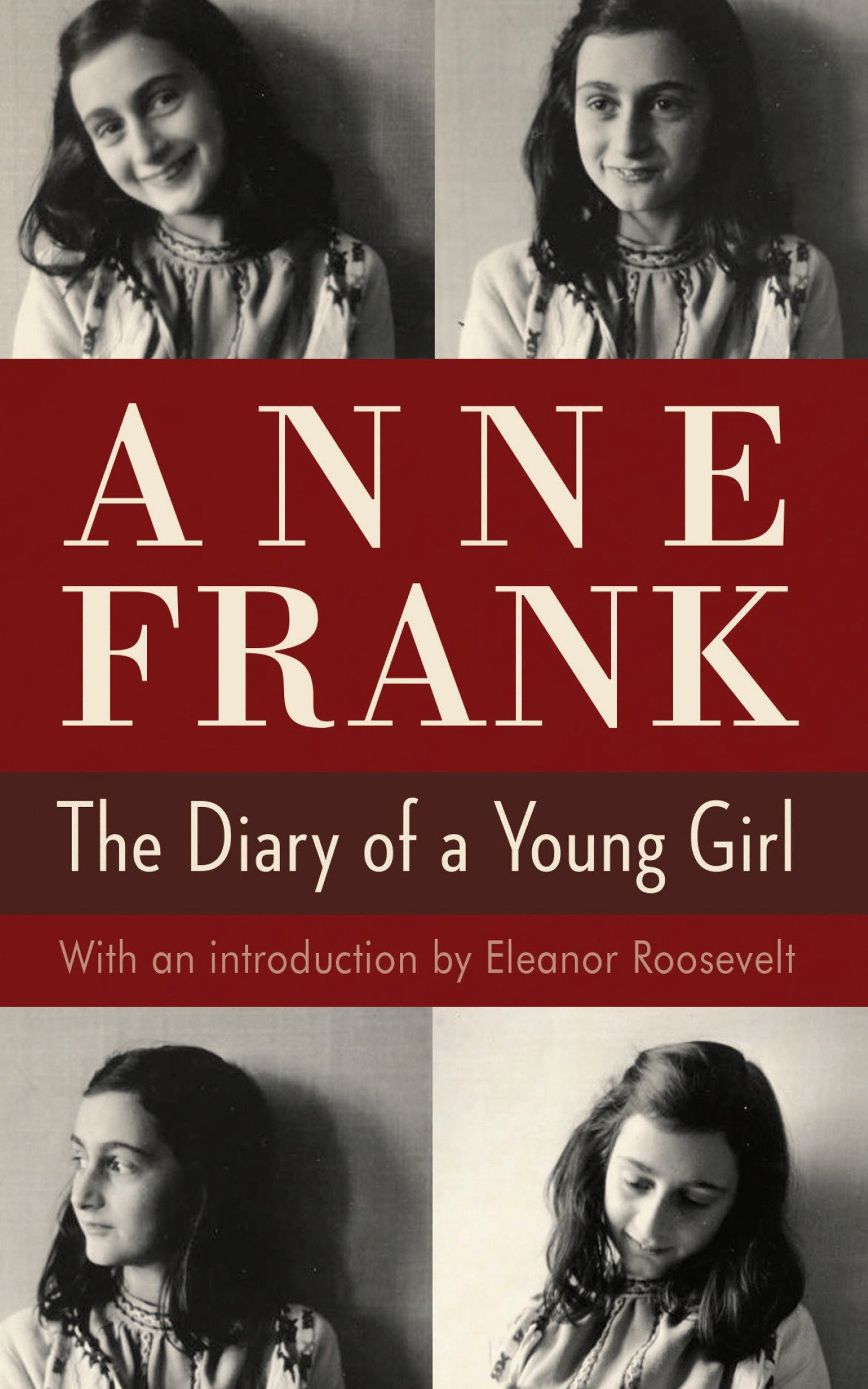
Frank, Anne. The Diary of a Young Girl. The most widely read text by a Holocaust victim
Age recommendation: 7th through 12 grades, due to reading level
Advisory note: Because so many people have misinterpreted and abused the limitations of this book, its stage and film adaptations, and its relationship to the Holocaust (about which the author knew very little while writing), educators intending to assign this text would do well to read the Anne Frank chapters in Alvin Rosenfeld's The End of the Holocaust, as well as Cynthia Ozick's famous article in The New Yorker, "Who Owns Anne Frank?"
Leyson, Leon with Marilyn J. Harran and Elizabeth B. Leyson. The Boy on the Wooden Box. Survivor memoir; #1 New York Times bestseller and Christopher Award recipient describes how a Jewish boy from Poland and some of his family members were rescued by Oskar Schindler and later moved to the United States
Age recommendation: 5th through 8 grades
Ozsváth, Zsuzsanna. When the Danube Ran Red. Survivor memoir; describes from the point of view of a child in hiding who witnesses the mass shooting of fellow Jews in Budapest; the short length makes this a good choice for use in most classrooms; Texas connection: Author is an Endowed Chair in Holocaust Studies at UT-Dallas
Age recommendation: middle school and high school

Siegal, Aranka. Upon the Head of the Goat: A Childhood in Hungary 1939-1944. Survivor memoir; describes from a teenager’s point of view a ghetto; narrative ends with deportation, so no camps are depicted for young readers; Newbery Honor Book
Age recommendation: 6th through 9th grades
Tec, Nechama. Dry Tears: The Story of a Lost Childhood. Memoir depicting a preteen girl in hiding in Poland with her family and her struggle to pass as Christian; author later became a well-known professor in the United States
Age recommendation: 8th through 12 grades, due to reading level
Zapruder, Alexandra. Salvaged Pages: Young Writers’ Diaries of the Holocaust. Anthology of firsthand accounts
Age recommendation: 8th through 12th grades, due to reading level and disturbing content
History and Miscellaneous Nonfiction
Approved for Classroom Instruction
The following titles are arranged alphabetically by author. Please click on each image to find a brief description and age recommendation.
Gilbert, Martin. Atlas of the Holocaust. Illustrated secondary history text
Age recommendation: middle school and high school
Golabek, Mona and Lee Cohen. The Children of Willesden Lane: A True Story of Hope and Survival During World War II; Young Readers Edition. Memoir about the Kindertransport to the UK.
Age recommendation: 4th through 8th grades

Golabek, Mona & Lee Cohen. The Children of Willesden Lane. Memoir about the Kindertransport to the UK
Age recommendation: 7th through 12th grades, due to reading level
Advisory note: This is the most advanced reading level edition of the Willesden Lane story.
Hayes, Peter. Why? Explaining the Holocaust. Secondary history text uses recent scholarship to address eight commonly asked questions about the Holocaust
Age recommendation: 8th through 12th grades, due to reading level
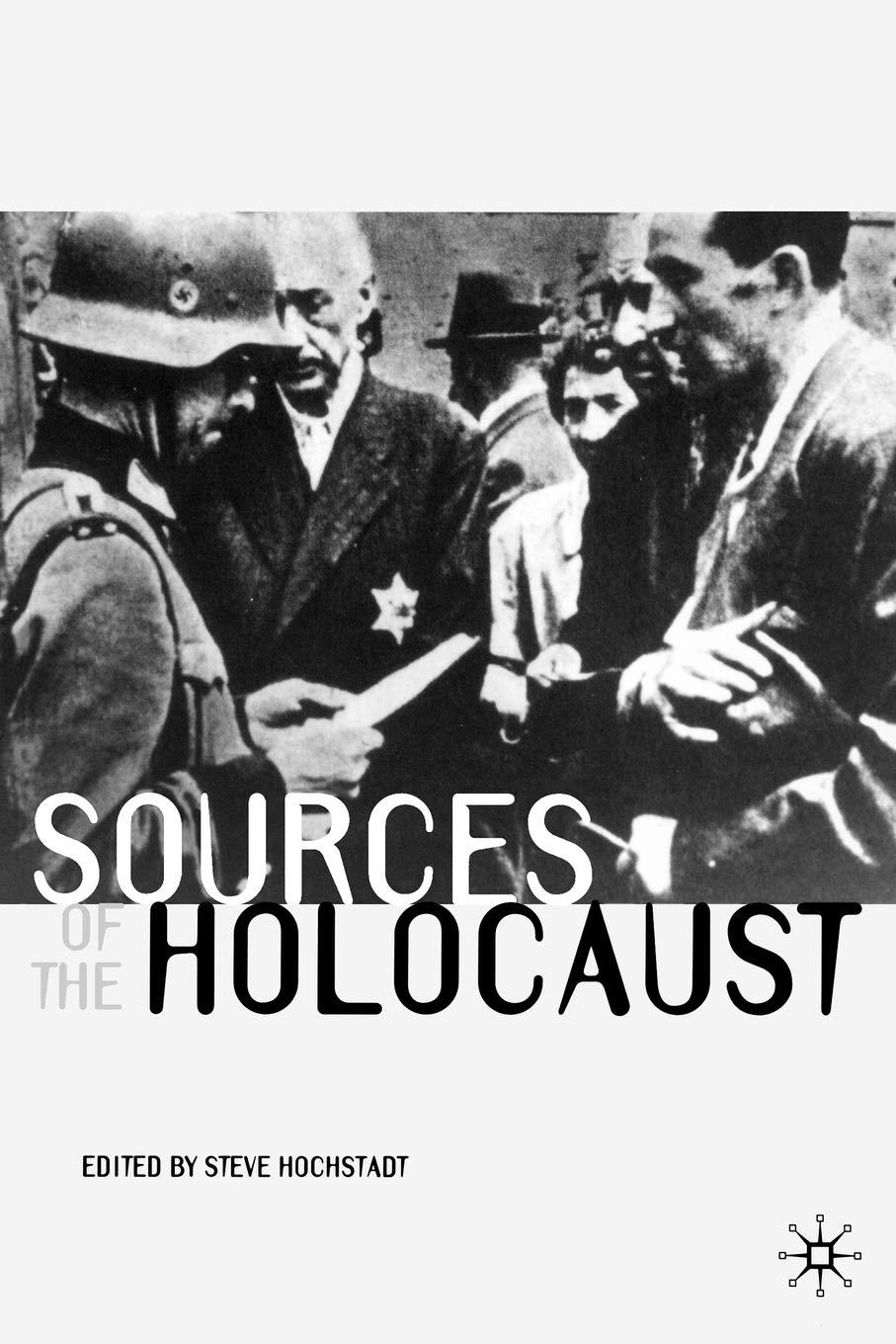
Hochstadt, Steve. Sources of the Holocaust. Anthology of short primary sources, including Nazi discriminatory laws
Age recommendation: middle school and high school, due to reading level
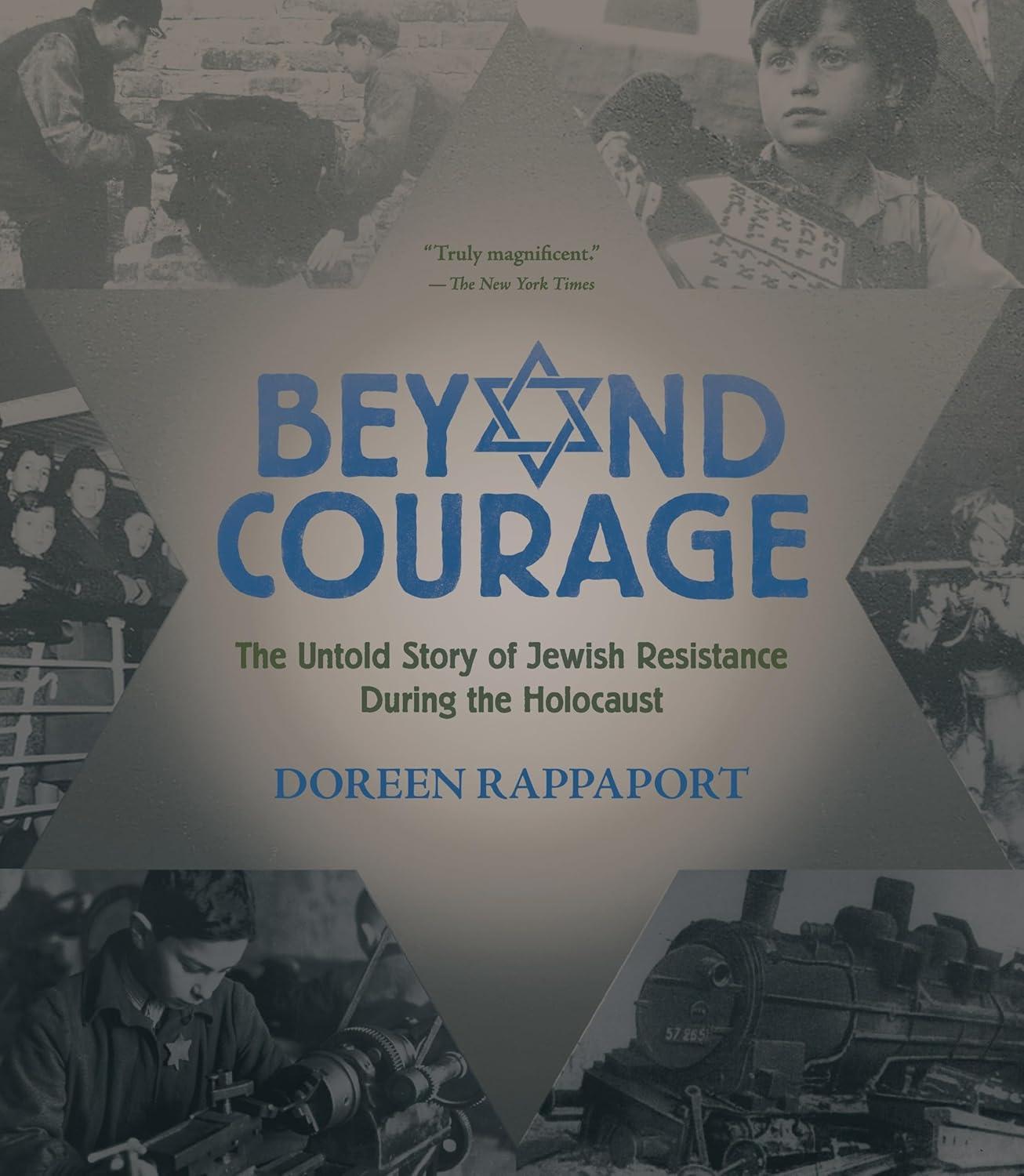
Rappaport, Doreen. Beyond Courage: The Untold Story of Jewish Resistance During the Holocaust. Illustrated text telling the stories of several Jewish resisters, a theme that is often ignored in classrooms.
Age recommendation: 6th through 9th
grades, due to reading level
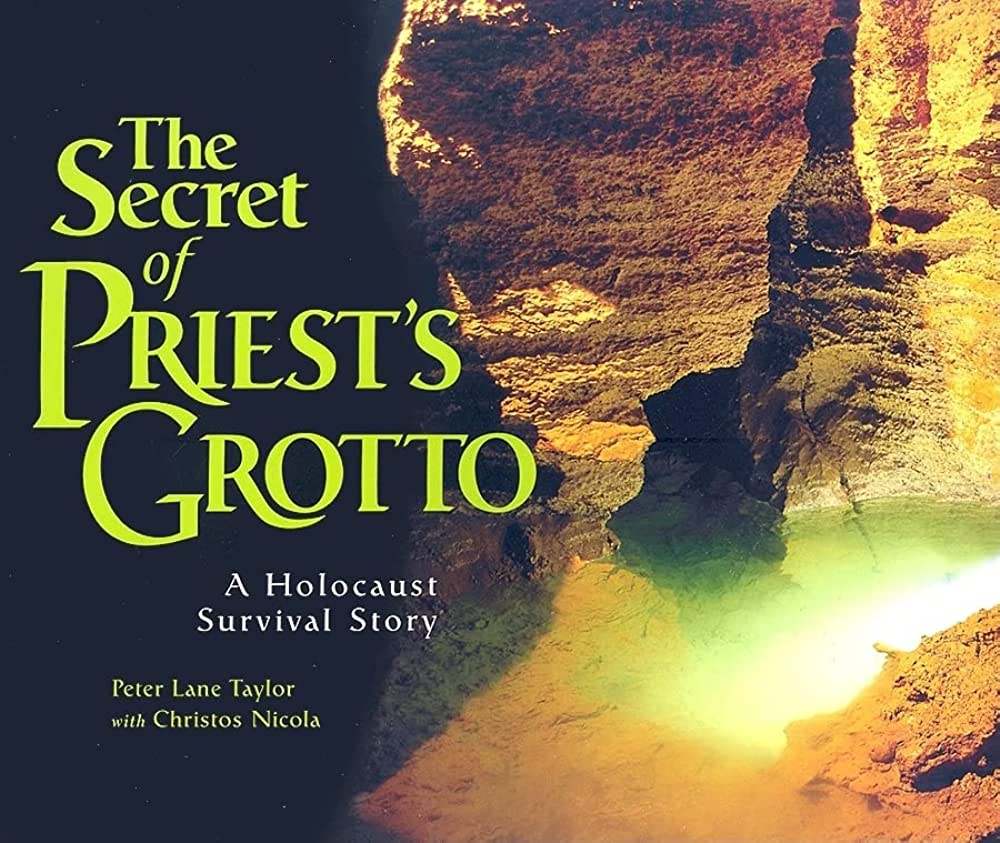
Taylor, Peter Lane with Christos Nicola. The Secret of Priest’s Grotto: A Holocaust Survival Story. Illustrated profile of a Jewish family that hid in a cavern in Ukraine, and how their story is later uncovered; Sydney Taylor Honor book.
Age recommendation: 5th through 8th grades, due to reading level, illustrated format, and generally uplifting theme of survival
Essays Approved for Classroom Instruction
The following titles are arranged alphabetically by author. Please click on each image to find a brief description and age recommendation.
Ozick, Cynthia. “Who Owns Anne Frank?” The New Yorker, 28 September 1997. Article examines the treatment and reception of Anne Frank’s diary and its most prominent adaptations, including the Broadway play and Hollywood film. She confronts the reader with critical questions such as, what has made Anne Frank so popular with audiences, and how much truth about the Holocaust has been obscured in the efforts to construct the popular myths about her? Read the article here.
Age recommendation: 7th through 12th grades, due to reading level
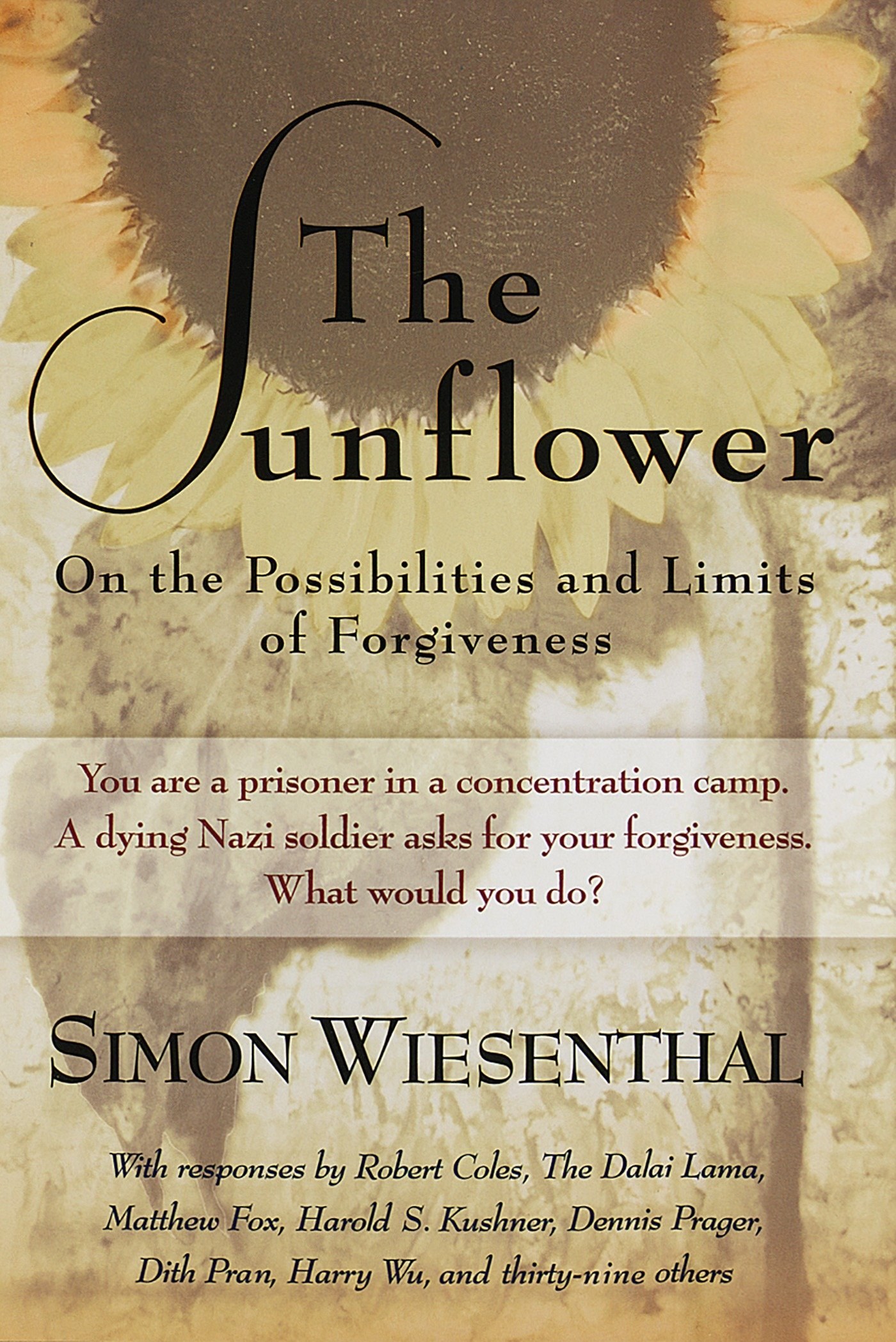
Wiesenthal, Simon. The Sunflower: On the Possibilities and Limits of Forgiveness. Survivor memoir with symposium; this book has two parts: in the first, the survivor recounts his experience as a camp inmate who was asked for forgiveness by a dying SS officer; in the second, people from a variety of backgrounds provide brief responses offering thoughts on whether forgiveness should have been given. While this is a highly engaging text to use with students, educators should take care to avoid framing the Holocaust or the survivor experience only in terms of forgiveness.
Age recommendation: 8th through 12th grades, due to reading level and complex subject matter
Novels
Approved for Classroom Instruction
The following titles are arranged alphabetically by author. Please click on each image to find a brief description and age recommendation.
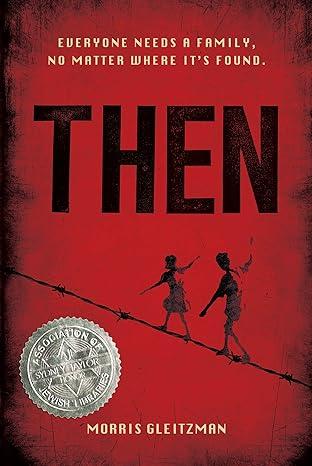
Gleitzman, Morris. Then. Novel narrated from the perspective of a young Jewish boy hiding in the Polish countryside.
Age recommendation: 5th through 8th grades; educators should note that there are references to circumcision
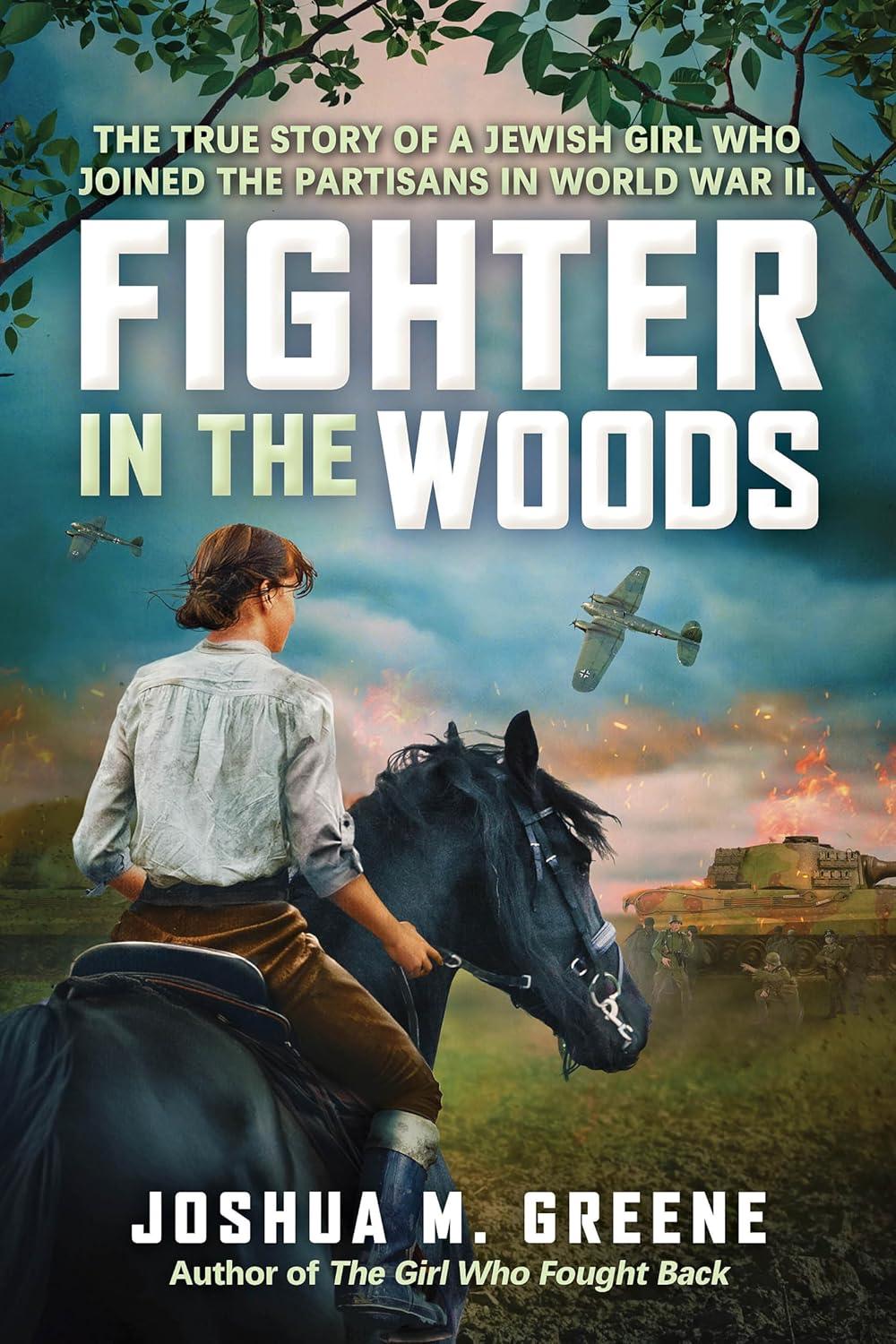
Greene, Joshua M. Fighter in the Woods: The True Story of a Jewish Girl Who Joined the Partisans in World War II. Young adult novel based on the true story of a young girl who witnessed the murder of her parents, hid from the Nazis, and eventually joined the partisans with her brothers and sister.
Age recommendation: 5th through 7th grades
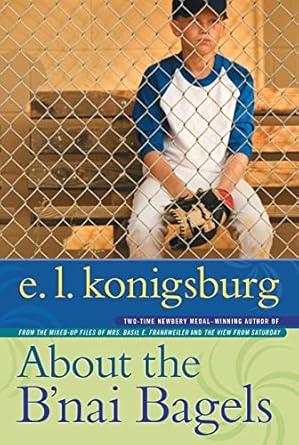
Konigsburg, E.L. About the B'nai Bagels. Novel about an American Jewish boy who struggles to improve his baseball skills while his mother manages his Little League team in the year of his bar mitzvah.
Age recommendation: 5th through 7th grades, educators should note that there are references to Playboy magazine.
Advisory note: This book contains no Holocaust content but can be useful in conveying to young readers some understanding of American Jewish identity. Middle school teachers who use this material will want to supplement with at least one other approved resource that teaches about the Holocaust.
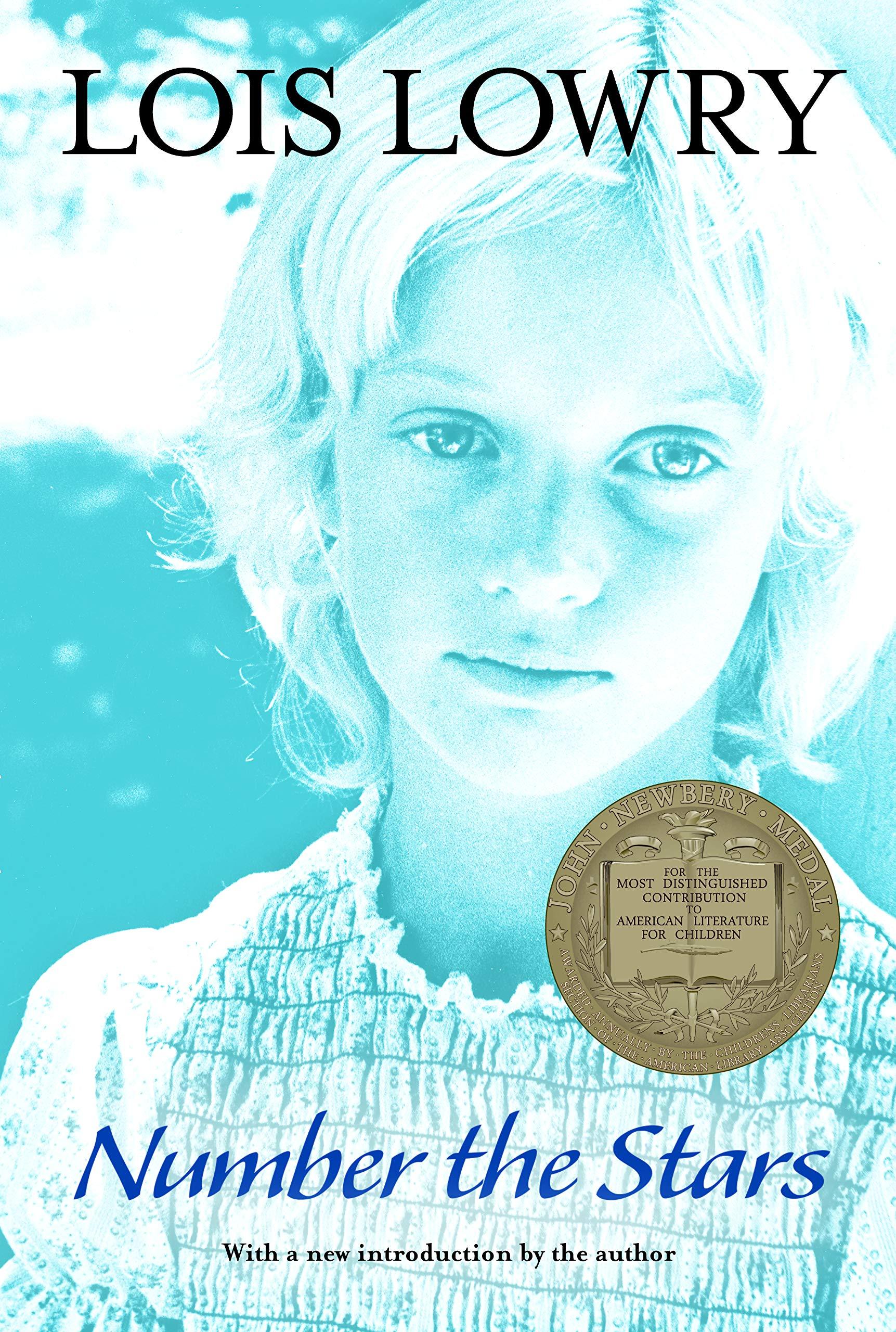
Lowry, Lois. Number the Stars. Young adult novel; describes rescue of Danish Jews from a child's perspective; widely taught, in part due to the focus on rescue and the avoidance of disturbing themes and events of the Holocaust; Newbery Award Book
Age recommendation: 5th through 8th grades

Richter, Hans Peter. Friedrich. Autobiographical novel by member of the Hitler Youth; describes from a non-Jewish child’s point of view the systematic, gradual persecution and murder of one Jewish family that author knew; many teachers are impressed by the author’s ability to convey so many details about the Holocaust timeline despite the book’s short overall length and comparatively simple language; the book is also emotionally powerful, while avoiding any depiction of the camps for young readers
Age recommendation: 5th through 8th grades
Poetry
Approved for Classroom Instruction
The following titles are arranged alphabetically by author. Please click on each image to find a brief description and age recommendation.
Pagis, Dan. The Selected Poetry of Dan Pagis, translated by Steven Mitchell. Poems by survivor; includes one of the most commonly taught Holocaust poems, “Written in Pencil on the Sealed Rail Car”; Texas scholar Dr. Shellie McCullough recommends "Europe, Late" as an introductory poem
Age recommendation: 8th through 12th grades
Sachs, Nelly. Collected Poems 1944-1949. Poems by Jewish woman who fled to Sweden to survive; poet became first Jewish woman to win the Nobel Prize in Literature; includes famous poems, such as “O the Chimneys”; many classroom teachers have had success using Sachs’ poetry, which manages to use metaphor while not being too abstract or complex for most readers
Age recommendation: middle school and high school

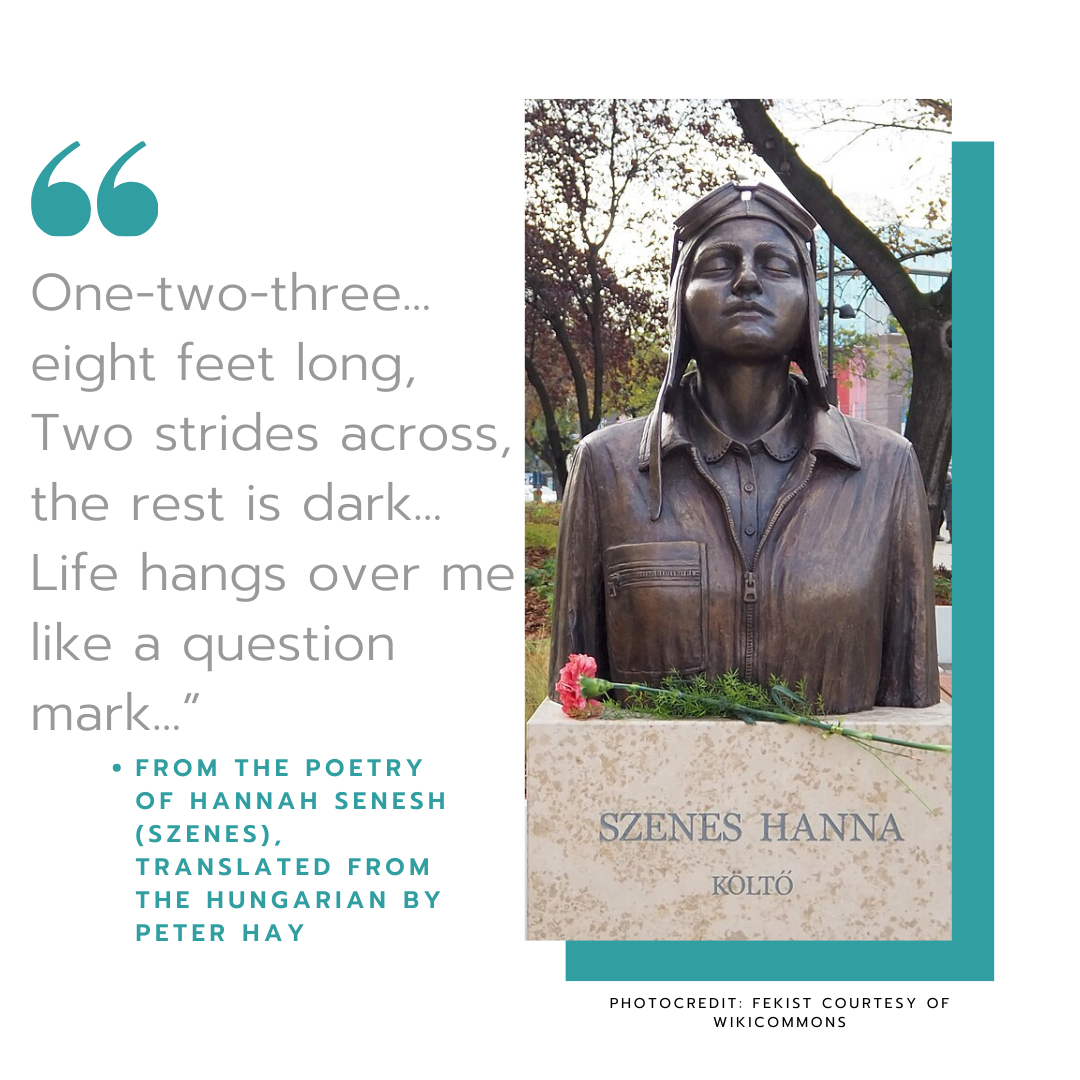
Senesh, Hannah. Her Life and Diary, The First Complete Edition. Poetry; describes theme of Jewish resistance: a Jewish woman, as part of a small team of Jews that parachuted into Yugoslavia on a mission to save Hungary’s endangered Jews, is captured and executed; includes famous poems, such as “Blessed is the Match”
Age recommendation: middle school and high school, due to reading level